In the old days of manufacturing, a machine was considered “reliable” if it didn’t blow a fuse during a shift. Reliability was a silent game; as long as the machine was quiet and moving, everything was fine. The moment it made a strange grinding sound, you were already too late. You were in “reactive mode,” and your budget was about to take a hit.
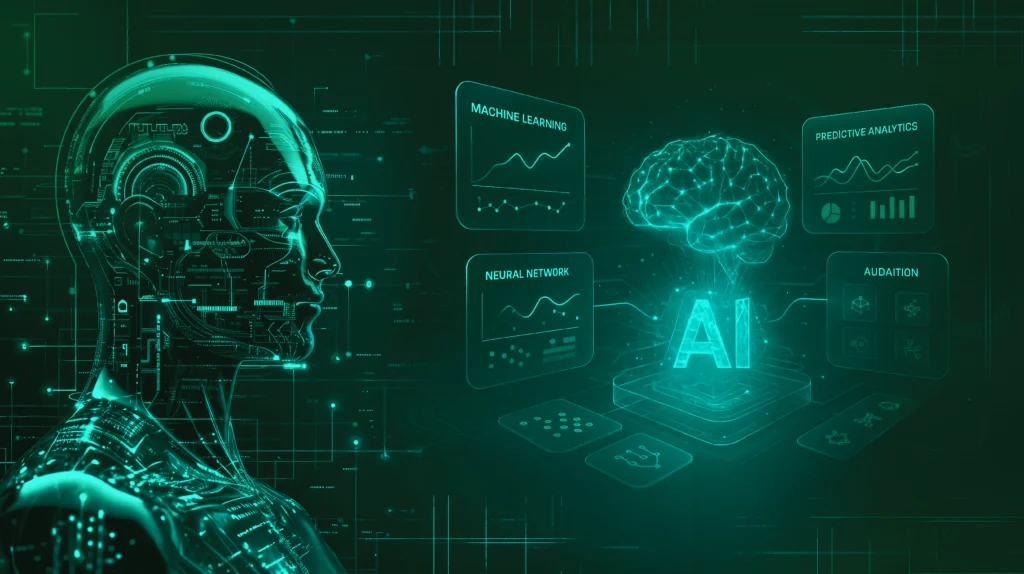
Today, we are entering a new era. We aren’t just crossing our fingers and hoping the hardware holds up; we are using Artificial Intelligence (AI) and Machine Learning (ML) to give these machines a voice. But what does that actually mean for the person on the shop floor or the manager in the office?
At its core, Machine Learning is about pattern recognition. As the thesis suggests, ML is essentially a computer program that trains itself using “known past data.” Think of it like a seasoned mechanic who has worked on the same engine for thirty years. He knows that a specific vibration today means a broken belt tomorrow. ML does this with math and speed that no human can match.
We typically see this play out in four ways:
While traditional ML predicts when a machine will fail, the rise of Generative AI is changing how we respond. Imagine a system that doesn’t just send an alert saying “Bearing #4 will fail in 10 hours,” but actually generates a step-by-step repair guide, orders the part from the warehouse, and drafts a shift schedule change to minimize the impact on production.
This is the “Natural Intelligence” aspect of AI—acting with rational reasoning. It takes the “logics involved in working” and automates the diagnostic process. We are moving from a world where we “check the machines” to a world where the machines “report their status” to us in plain English.
The transition from human-led maintenance to AI-augmented reliability isn’t just about cool tech; it’s about the “lion’s share of regular livelihood actions.” When an AI handles auto-corrections in a workflow or predicts a failure in a power grid, it frees up human creativity.
Conclusion: The Future is Conversational
The “Status Quo” of maintenance is dead. By embracing AI, we aren’t replacing the human element; we are empowering it. We are moving toward a “Renewal Process” that is smarter, faster, and more integrated. When your machines can learn from their mistakes—just like we do—the entire organization grows. The goal isn’t just to keep the lights on; it’s to build a system that gets smarter every single day it runs.